Tutorial
How to Animate Pictures Like a Wizard: Top Tools and Tips Revealed!
April 24, 2024
Animagen Team
1,900 words
In 2021, a giant 3D cat appeared on a curved billboard at Shinjuku East Exit in Tokyo. The clever use of spatial dislocation and a curved screen made it seem as if the cat could tumble right out at any moment. It was a viral demonstration of glasses-free 3D technology — and a sign of things to come.
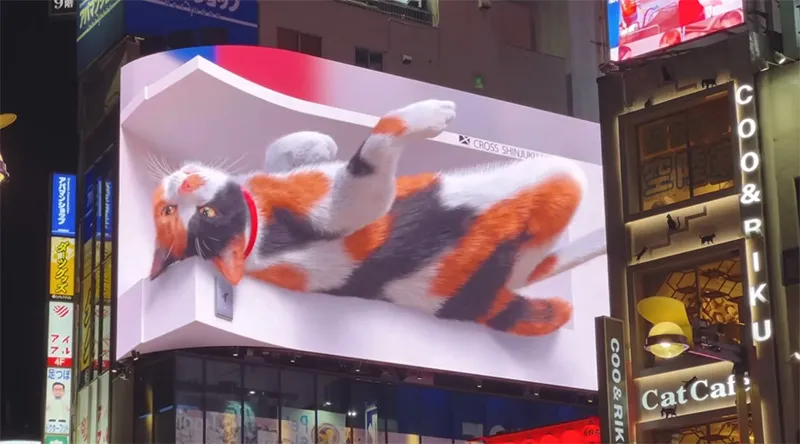
Glasses-free 3D technology, also known as autostereoscopic display, has advanced significantly in recent years. Giant LED screens on commercial buildings are no longer limited to simply showcasing flat images — by combining optical illusions and animations, they create incredibly realistic scenes with powerful visual impact.
Our brains perceive depth because each eye captures a slightly different perspective of the same scene. The brain merges these two images, creating the illusion of three-dimensional space. Glasses-free 3D technology replicates this natural process by directing different images to each eye without requiring special eyewear.
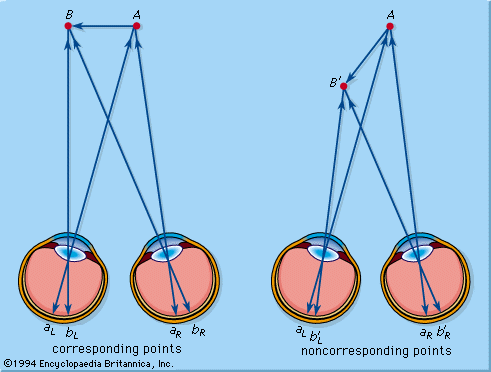
Source: britannica.com
Lenticular lenses are tiny cylindrical lenses placed over a screen, each directing light in a specific direction. These lenses ensure each eye sees a slightly different set of pixels, creating the illusion of depth. This is the same principle used in lenticular printing (like those holographic stickers from childhood).
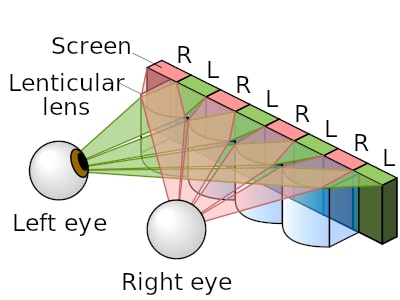
Source: 3dreactions.com
A parallax barrier uses a layer with strategically placed slits that act as a filter, allowing specific pixels to reach each eye. This creates the disparity needed for 3D perception. The Nintendo 3DS handheld console famously used this technology.
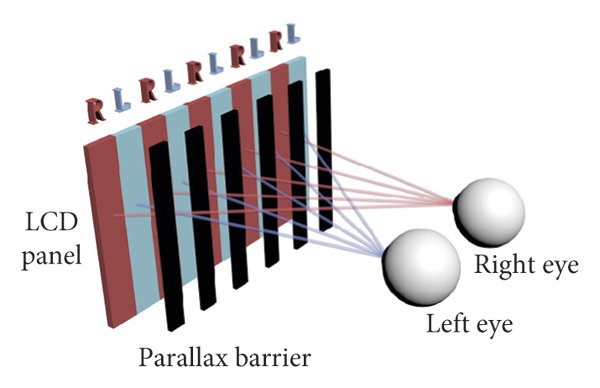
Source: researchgate.net
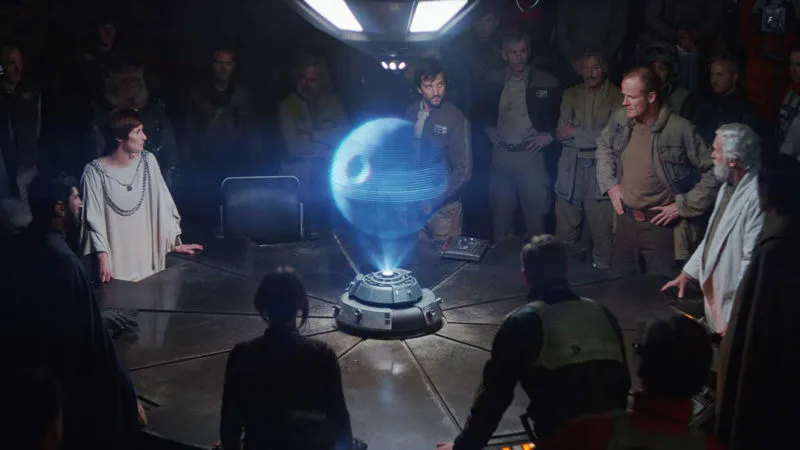
Volumetric displays take a fundamentally different approach by projecting actual 3D images into physical space. While still in early stages, this technology holds immense potential for truly immersive, glasses-free experiences.
While the underlying science is complex, creating 3D content is becoming increasingly accessible. Platforms like Animagen enable creators to convert existing 2D content into immersive 3D experiences using AI-powered depth analysis.
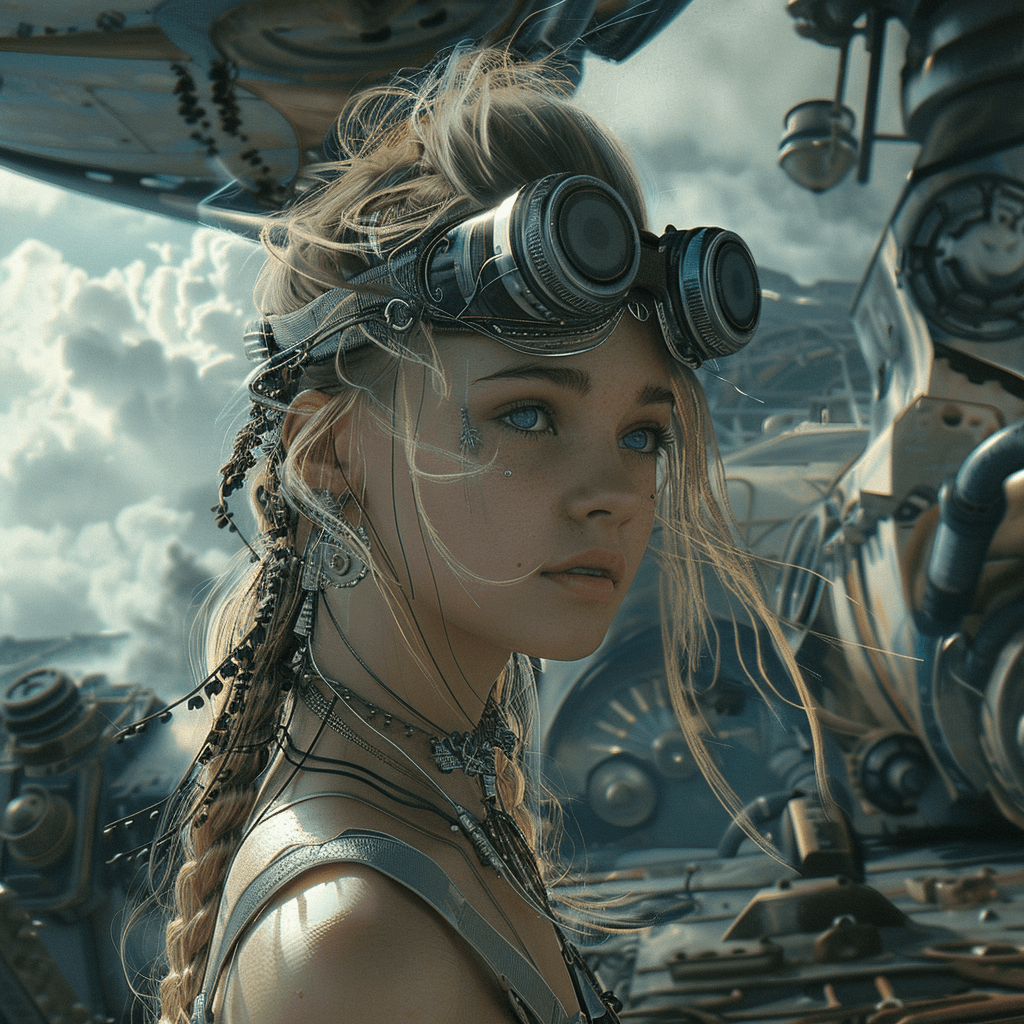
Animagen uses advanced algorithms to analyze your content and generate the necessary depth information, making the conversion process remarkably user-friendly. You can upload any 2D photo, choose from multiple 3D animation effects, and download the result as GIF or MP4 in seconds.
While entertainment drives much of the development, glasses-free 3D has significant applications in other fields:
Medical Imaging: Healthcare professionals use glasses-free 3D displays to visualize CT scans, MRIs, and ultrasound images with enhanced depth perception, leading to improved diagnosis and surgical planning.
Education: Students can visualize complex anatomical structures, historical artifacts, and scientific concepts in 3D, enhancing understanding and retention.
Retail: 3D product displays allow customers to explore items from different angles before purchasing, reducing return rates.
Automotive & Aerospace: Engineers use glasses-free 3D for design visualization, simulation, and training, providing realistic representations of vehicle interiors and aircraft components.
The technology is evolving rapidly. Companies like Looking Glass Factory and Leia Inc. are developing displays with wider viewing angles and higher resolution. According to industry research, the glasses-free 3D display market is projected to grow significantly in the coming years, driven by advances in display technology and increasing demand for immersive experiences.
The question isn't whether glasses-free 3D will become mainstream — it's when. And with AI tools making 3D content creation accessible to everyone, the future is closer than you might think.
Transform any 2D image into a stunning 3D animation in seconds. No design skills required. Export as GIF or MP4 up to 4K.